cosy31
The neighbourhood · history

Jolimont, a hill steeped in history

Just a short walk from the apartment, the hill of Jolimont overlooks Toulouse. It saw one of the last battles of the Napoleonic era, then served as a window on the sky for nearly a century and a half. Here is what you will discover on our doorstep.

1814 · the Battle of Toulouse 1839 · the obelisk 1841 · the observatory
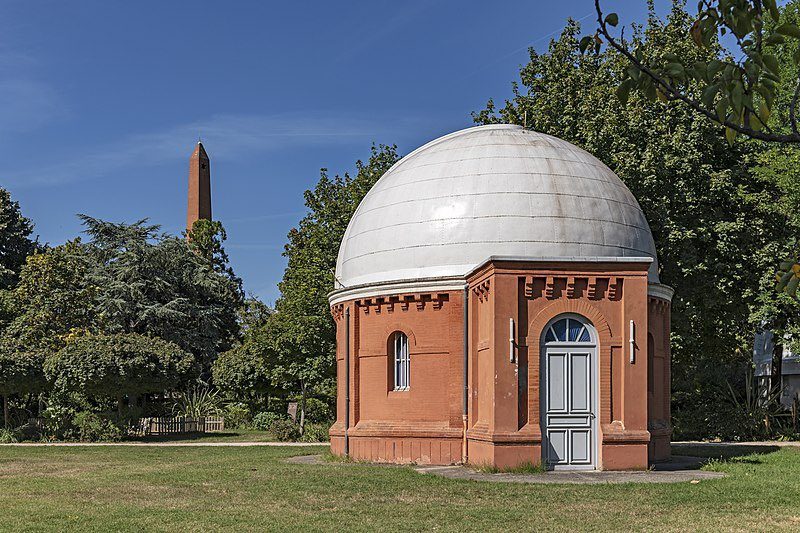
A dome of the Jolimont Observatory in its park, with the obelisk in the background
The hill

A balcony over the Pink City

Jolimont sits at the northern end of a long ridge that geographers call the Butte du Calvinet. This molasse hill runs for just over six kilometres, from Montaudran in the south to Jolimont in the north, and looks out over the whole Garonne plain.

This commanding position explains the whole story of the place: a strategic point for the armies of 1814, then an ideal site for astronomers, above the river mists. Today it is a quiet residential area, served by the terminus of metro line A.

1814

The Battle of Toulouse

On Easter Sunday, 10 April 1814, the British, Spanish and Portuguese troops of the Duke of Wellington attacked Toulouse, defended by Marshal Soult. The heights to the east of the city, including the hill of Jolimont, were at the heart of the fighting.

In a twist of history, Napoleon had abdicated at Fontainebleau four days earlier, but the news had not yet reached the south. Toulouse thus remains one of the very last major battles of the Napoleonic Wars.
1839

The 10 April obelisk

To commemorate the day, the city commissioned the architect Urbain Vitry to build an obelisk on the hilltop. The foundation stone was laid in 1835 and the monument was inaugurated in 1839. Inside its base, two copper plaques bear the names of soldiers who took part in the battle.

Locals also call it “la colonne” (the column). It is a listed historic monument.

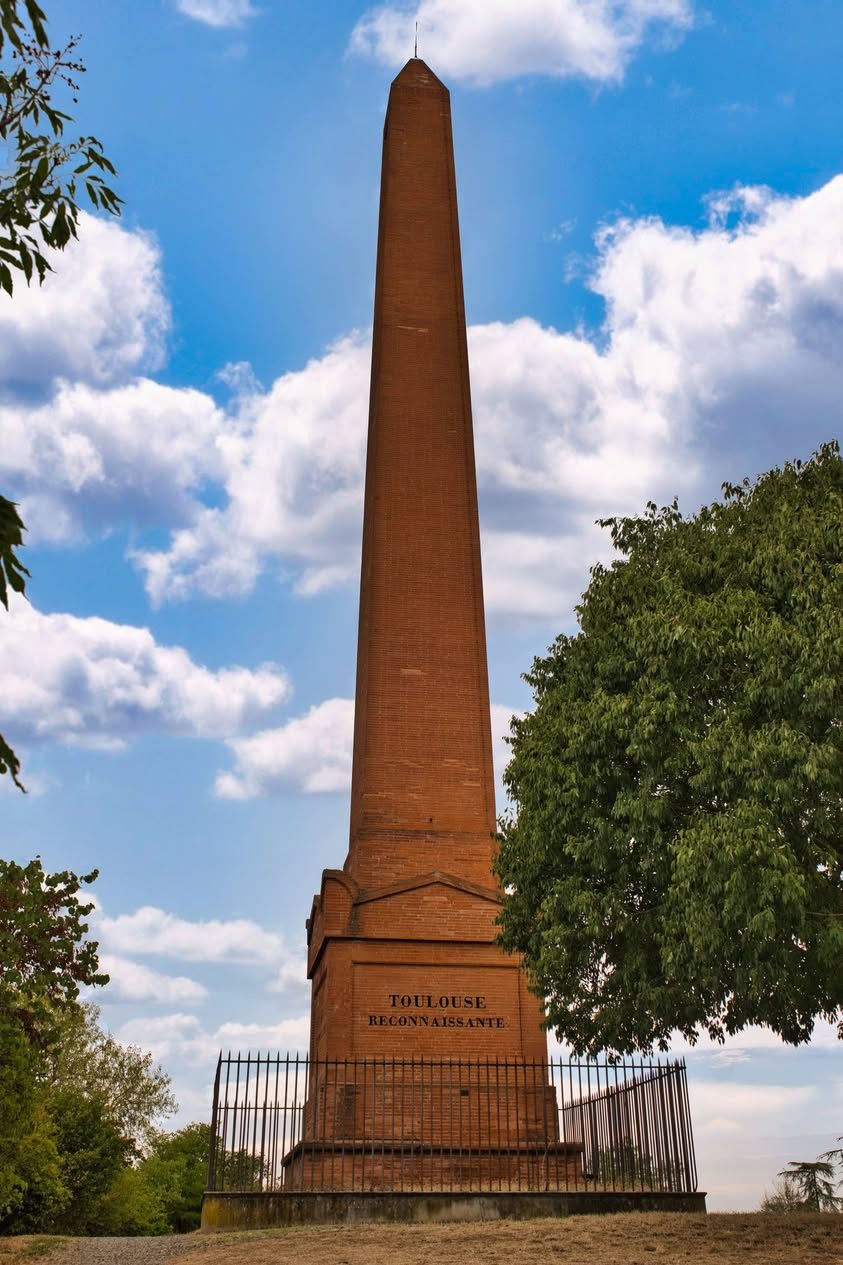
The brick obelisk of Jolimont, inscribed “Toulouse reconnaissante” on its base
1841

The Jolimont Observatory

Astronomy in Toulouse goes back a long way: as early as 1733, the city's academy of sciences set up a first observatory on a tower of the ramparts. But the centre was too noisy and too misty. Appointed in 1838 with the backing of François Arago, Frédéric Petit persuaded the city to build a modern observatory on the hill. He moved in in 1841, in a three-hectare park some fifty metres above the city.

For almost 140 years its astronomers photographed the sky there, notably for the great international “Carte du Ciel” (Map of the Sky) project, building a collection of around ten thousand photographic plates. The researchers moved to the Rangueil campus in 1981. The listed buildings and their domes are among the best-preserved historic observatories in France.

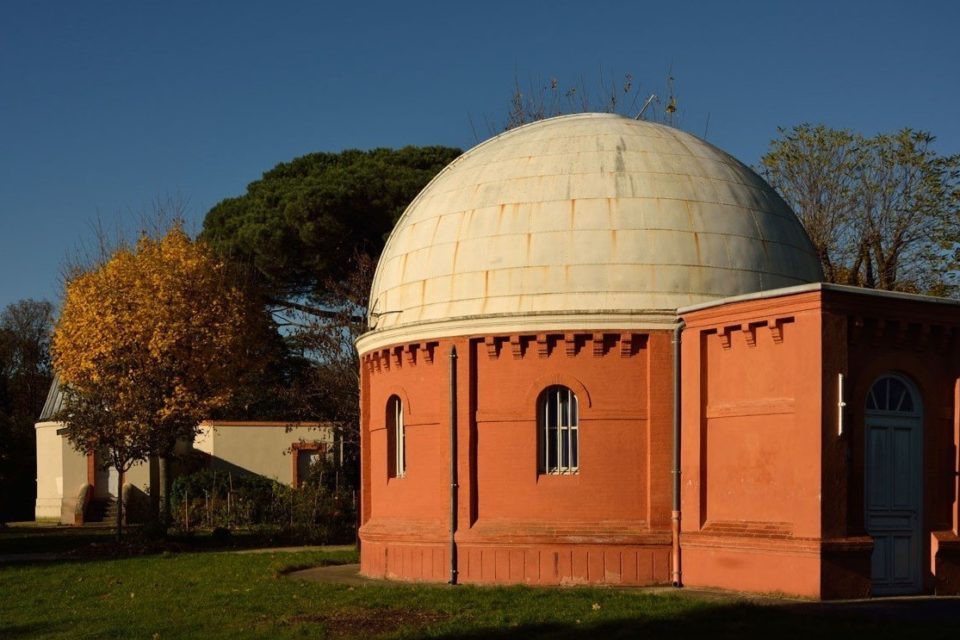
White dome and brick building of the Jolimont Observatory in autumn
Things to see from the apartment

The hill on foot, the centre by metro

The observatory and the obelisk are 850 m from the apartment, about a 13-minute walk. Jolimont metro station is a 4-minute walk away, and the historic centre is three stops on.

Observatory and obelisk
1 avenue Camille-Flammarion. The observatory opens to the public for special events, including European Heritage Days in September. The obelisk can be seen at any time.
The Capitole
City hall and the heart of Toulouse since the days of the capitouls, the city's medieval magistrates. Metro line A, Capitole station, three stops from Jolimont.
The Basilica of Saint-Sernin
Begun around 1080, one of the largest Romanesque churches in Europe. A UNESCO World Heritage Site since 1998 as part of the Routes of Santiago de Compostela in France. A few minutes' walk from the Capitole.
Fancy staying here?
Book the apartment direct, at the best price.
Check availability
Sources